_converted.avif)
How to Build a Data Science Portfolio That Gets You Hired
When applying for a Data Science role, having a strong CV and LinkedIn profile is important, but not always enough. Hiring managers often want to see proof of your skills. A well-crafted portfolio can showcase your abilities, problem-solving approach, and impact, making you stand out in a competitive job market.
Whether you're just starting out or looking to advance your career, here’s how to create a portfolio that captures recruiters' attention.
Select the Right Projects
The projects you include should highlight your technical expertise and ability to apply Data Science in real-world scenarios. According to HiringLab, 68% of recruiters prioritise candidates with hands-on experience over academic credentials. Here’s what makes a project effective:
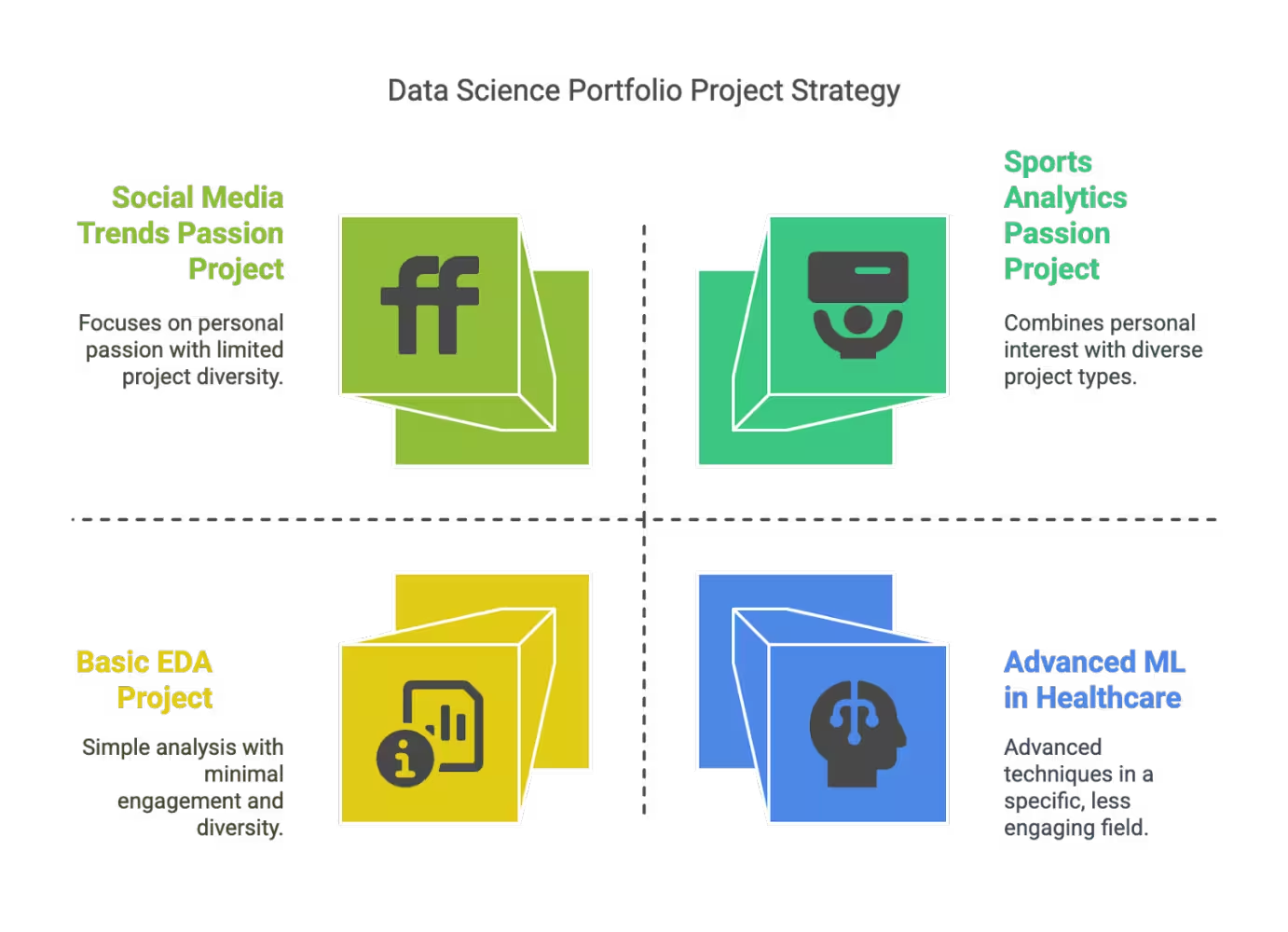
Variety: Cover different domains like Finance, Healthcare, or Retail to show adaptability.
Balance: Include both Exploratory Data Analysis (EDA) and advanced Machine Learning projects.
Business Impact: Demonstrating how your work solves real problems can improve your chances of getting hired.
Passion Projects: Working on topics you genuinely enjoy, such as sports analytics or social media trends, can make your portfolio more engaging.
Article content
Make Your Work Easy to Understand
A well-structured portfolio allows recruiters to quickly grasp your contributions. A survey by Towards Data Science found that 75% of hiring managers prefer a clear, structured portfolio over a cluttered GitHub repository. Each project should include:
A clear problem statement: What question are you addressing?
Your approach: The data sources, methods, and tools used.
Key insights and results: Summarise your findings and their relevance.
Code repository link: Host your work on GitHub, Kaggle, or a personal website with proper documentation.
Adding a README file with a concise project summary makes it easier for others to navigate your work.
Maintain an Organised GitHub Profile
Since 85% of recruiters check GitHub profiles, according to a DataCamp study, keeping it well-structured can leave a strong impression. Best practices include:
Descriptive project names
Clear documentation and README files
Well-commented, clean code
Regular commits to show consistent learning and engagement
Build a Personal Portfolio Website
A dedicated portfolio website strengthens your personal brand. Stack Overflow reports that 60% of tech hiring managers view candidates with a personal website as more credible. You can use platforms like GitHub Pages, Medium, Wix, or WordPress. Your site should include:
An "About Me" section highlighting your background and interests.
Project showcases with clear explanations and links to your GitHub.
A blog (optional) where you write about industry trends, case studies, or learning experiences.
Easy contact options so recruiters can reach out.
Use Data Storytelling
Good data scientists don’t just analyse numbers-they translate them into meaningful insights. Research from Harvard Business Review suggests that storytelling improves data comprehension by 22%. Instead of just displaying charts, explain the patterns, trends, and key takeaways in an engaging way.
Engage in Open Source and Kaggle
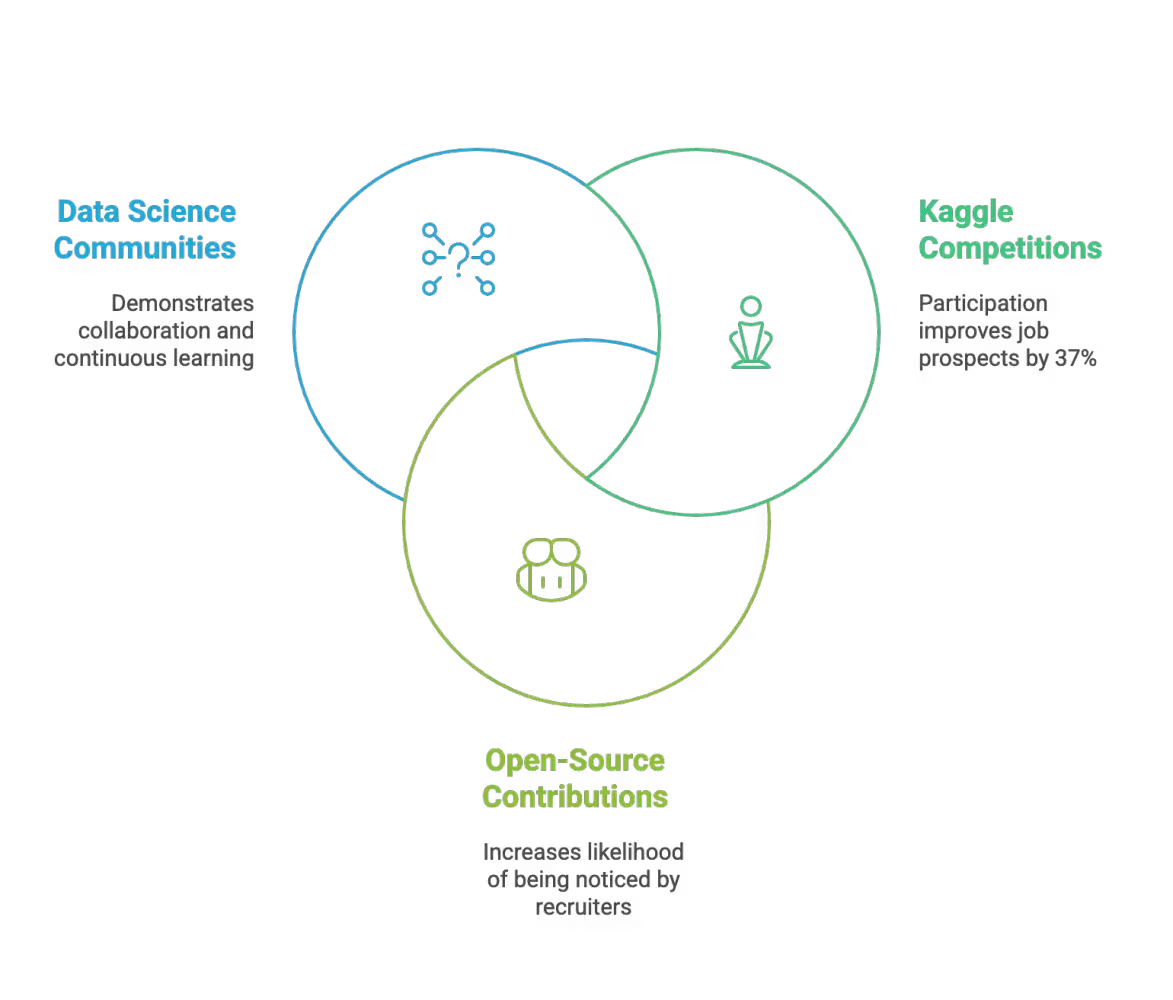
Kaggle reports that participation in competitions improves job prospects by 37%.
Contributing to open-source can 10x your chances of landing a new job.
Being part of data science communities showcases your ability to collaborate and continuously learn.
Article content
Keep Your Portfolio Updated
An outdated portfolio suggests a lack of continuous learning. Regularly adding new projects, refining documentation, and improving older work doubles recruiter engagement, according to LinkedIn’s data.
Final Thoughts
A well-crafted portfolio is essential for standing out in the data science job market. Focus on meaningful projects, present them clearly, and maintain an active presence on platforms like GitHub and Kaggle.
At Newton School, we equip learners with industry-relevant skills, hands-on projects, and mentorship from top professionals, ensuring they build an impressive portfolio that gets them hired.
Ready to take your data science career to the next level? Explore our program!