Breaking Myths About Learning Tech & Coding
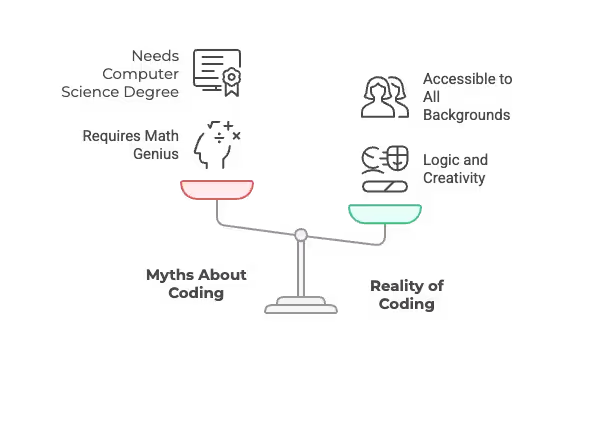
For years, coding has been surrounded by myths that stop people from even giving it a try. Some believe it’s only for mathematical geniuses, while others assume that without a formal computer science degree, breaking into tech is impossible. But the reality is quite different. Coding is more about logic and creativity than advanced equations, and people from all backgrounds have successfully built careers in tech.
Coding Requires Exceptional Math Skills
One of the biggest misconceptions is that coding requires an exceptional understanding of mathematics. While fields like artificial intelligence and cryptography involve some complex calculations, most coding is about problem-solving, pattern recognition, and structured thinking. A Stack Overflow survey found that over 50% of developers rarely use advanced math in their daily work. Instead, they rely on logical reasoning and a clear approach to problem-solving skills that can be developed with practice, regardless of mathematical ability.
You Have to Start Young to Succeed
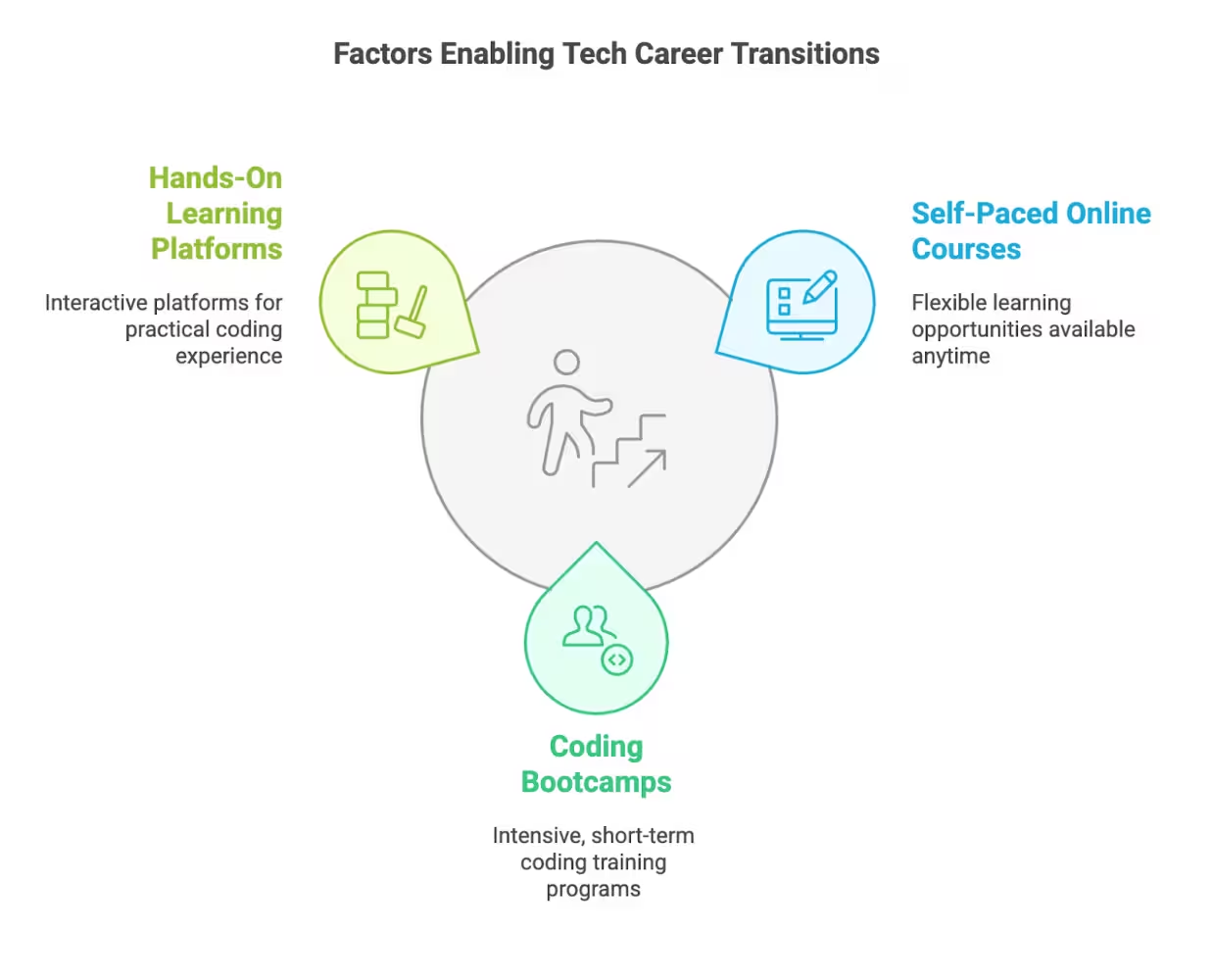
Another widely held belief is that if you haven’t started coding in your teens, you’ve missed your chance. However, career switchers tell a different story. A report from National Coding Week revealed that nearly 40% of new coders are over 30, proving that age is no barrier to learning. The rise of self-paced online courses, coding bootcamps, and hands-on learning platforms has made tech education more accessible than ever. Stories of former teachers, lawyers, and artists transitioning into tech roles show that it’s not when you start, but how consistently you practise that matters.
A Computer Science Degree is Essential
Then there’s the idea that a formal degree is essential for landing a job in tech. While a computer science degree can be helpful, it is no longer the only way in. Tech giants like Google, IBM, and Tesla have openly stated that they prioritise skills over qualifications.
A study by Burning Glass Technologies found that over 25% of UK tech job postings no longer require a degree. Instead, recruiters look for practical experience, coding projects, and problem-solving ability, which can be gained through real-world exposure rather than traditional education.
Coding is Only for Developers
No, coding isn’t just for software developers. It’s becoming a core skill across industries. Marketers are using Python to analyse campaign data, finance professionals are automating reports with SQL, and journalists are learning to scrape data for investigative reporting.
A LinkedIn study ranks coding among the top five most in-demand skills globally, proving that understanding technology is becoming essential, no matter the profession.
Learning to Code Takes Years
Another misconception is that learning to code takes years. While mastery takes time, the idea that it requires a decade is misleading. A Course Report survey found that over 70% of coding bootcamp graduates secured jobs within six months. Many learners build functional projects within a few months, showing that structured learning and hands-on practice are far more important than the number of years spent studying.
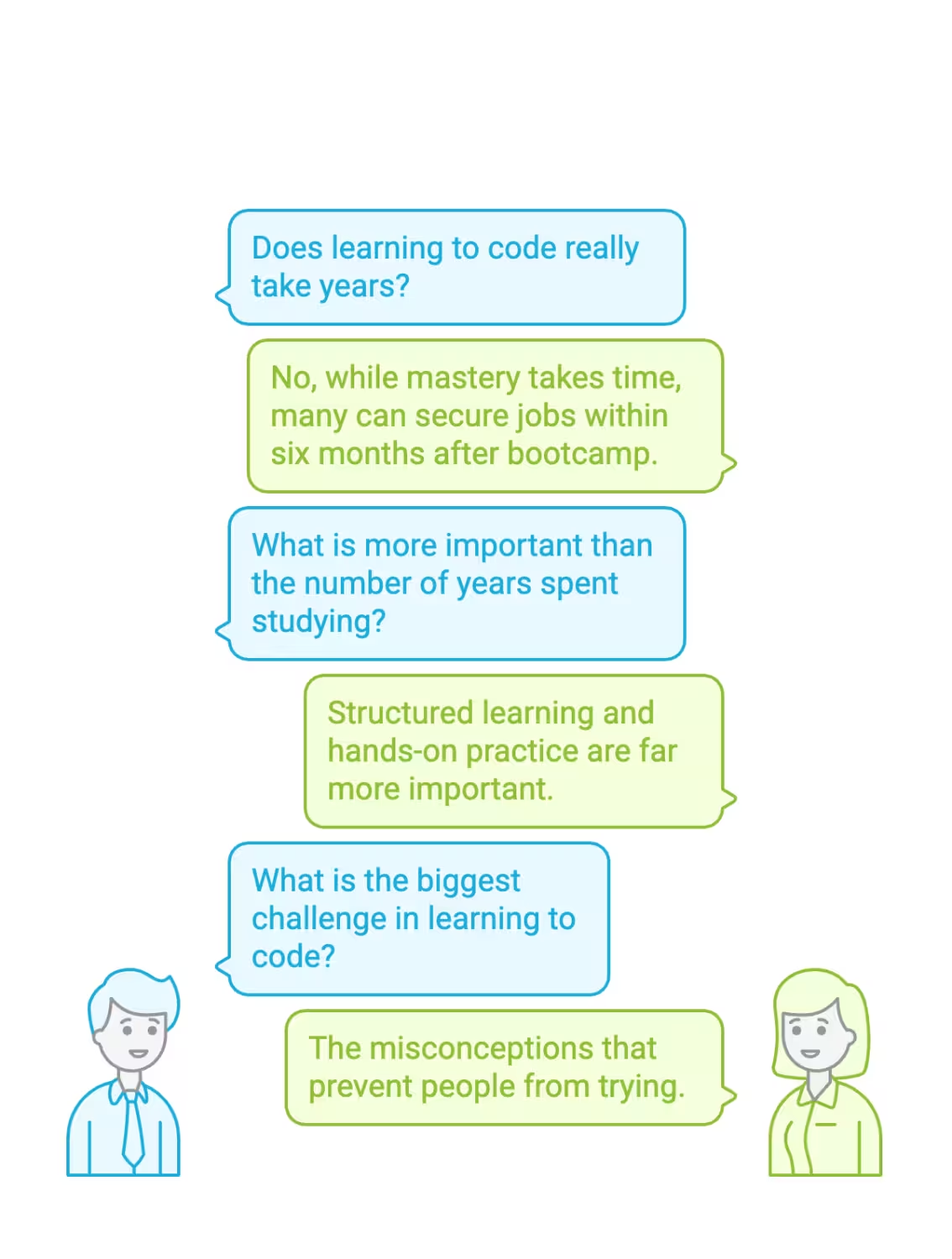
Ultimately, the biggest challenge isn’t coding itself, it’s the misconceptions that prevent people from trying. Whether you want to change careers, automate tasks, or simply understand the technology shaping our world, coding is a skill that is more accessible and valuable than ever. And the best part? It’s never too late to start.
How Newton School Helps Break These Barriers
At Newton School, we’re breaking these barriers every day. Our industry-driven curriculum is designed to help learners from all backgrounds gain job-ready coding skills, even if they’re starting from scratch.
With hands-on projects, expert mentorship, and placement support, we make sure that anyone, regardless of age, degree, or prior experience, can build a successful tech career. If you’ve ever believed coding isn’t for you, maybe it’s time to rethink that.

.avif)